
Key Takeaways
- Early walking usually begins within hours after surgery to support circulation and recovery.
- Most patients manage incision soreness with short-term medication and gradual activity.
- A structured physiotherapy programme helps restore strength after minimally invasive spine surgery in Singapore.
Introduction
Before committing to treatment, patients in Singapore who are thinking about endoscopic back surgery typically examine two factors: how rapidly movement returns and how soon daily life resumes. Since recuperation patterns affect work schedules, family obligations, and mobility objectives, having clear expectations helps minimise confusion during the decision-making process. Compared to typical procedures, endoscopic back surgery employs smaller devices and causes less tissue damage, but recuperation still follows a set schedule under physician care. Patients can keep reasonable expectations for activity levels and prepare for the initial weeks following surgery by being aware of the stages of healing.
1. Early Walking and Movement After Surgery
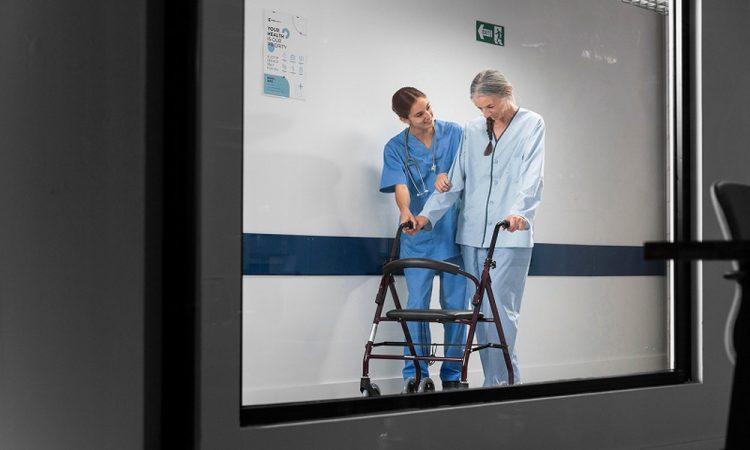
One of the first milestones after endoscopic back surgery involves controlled movement on the same day. Medical teams usually encourage patients to stand and walk shortly after the procedure because gentle movement supports blood circulation and reduces the risk of stiffness. The incision remains small, so walking short distances in a monitored setting usually becomes possible within a few hours.
Patients often notice that supervised mobility begins earlier than expected because the surgical technique avoids extensive muscle disruption. This early movement forms part of the recovery strategy used in minimally invasive spine surgery in Singapore, where doctors focus on restoring function without prolonged bed rest. Walking remains slow and careful during the first day, yet it signals that the spine can tolerate light activity under guidance.
2. Managing Pain in the First Two Days
During the first forty-eight hours, discomfort generally centres around the incision area rather than the deeper spinal structures. Many patients describe this sensation as local soreness similar to a mild bruise, which usually responds well to short courses of standard pain relief. Nerve symptoms that prompted surgery, such as radiating leg discomfort, sometimes reduce quickly once pressure on the nerve root disappears.
Although nerve irritation may take time to settle completely, the overall pain profile differs from older open procedures. Short-term medication supports comfort while inflammation subsides around the surgical site. Because the operation causes minimal disruption to surrounding tissues, patients typically avoid prolonged use of stronger medication and transition to normal daily movement more steadily.
3. Returning to Work and Daily Responsibilities
Work planning remains one of the most practical concerns for patients preparing for endoscopic back surgery. The recovery timeline depends on the physical demands of each job and the level of spinal strain involved in routine tasks. Office-based roles usually allow a faster return because sitting and light computer work place a limited load on the spine.
Many people resume desk duties within several days when pain remains controlled, and movement improves gradually. Roles that involve lifting, frequent bending, or extended standing require longer recovery because these activities challenge the healing spine. Doctors usually recommend several weeks before returning to heavier labour, allowing the surgical site to stabilise before full physical workload resumes.
4. Wound Care and Activity Precautions
The initial weeks of wound care are made easier by the small incision used following endoscopic back surgery. Usually, patients keep the area dry and clean while keeping an eye out for any irritation or swelling. Once the incision starts to effectively close, medical guidance typically permits showering after a brief waiting period.
Activity precautions are still crucial during the early stages of recovery, even with a minor wound. During the first few weeks after minimally invasive spine surgery in Singapore, several recovery protocols advise against bending, lifting heavier things, and twisting. While internal structures settle following the treatment, these safeguards shield the healing tissues and avoid needless strain on the spine.
5. Physiotherapy and Long-Term Strength Recovery
Following endoscopic back surgery, rehabilitation is the next phase of recovery after the initial healing phase. Because pain restricts normal movement, the muscles surrounding the spine frequently deteriorate in the months preceding surgery. Programs for physical therapy progressively restore stability and strength around the spine.
During the early healing phase, patients typically start focused activities when the surgeon certifies that their recovery is going well. By enhancing posture, balance, and spinal support, core strengthening lessens strain during regular tasks. The benefits of endoscopic back surgery are certain to go beyond symptom relief and contribute to long-term mobility thanks to this planned rehabilitation phase.
Conclusion
Recovery from endoscopic back surgery in Singapore follows a clear progression that balances early movement with gradual strengthening. Patients usually walk within hours, manage short-term soreness with basic medication, and return to lighter duties within days, depending on their occupation. Careful wound management and temporary activity restrictions protect the healing spine during the early weeks. Physiotherapy then rebuilds muscular support so daily movement becomes more stable over time. Knowing these stages lets patients to prepare realistically for the transition from surgery to normal routines.
Contact Achieve Spine & Orthopaedic Centre to discuss whether endoscopic back surgery is suitable for your condition and to plan your recovery timeline with specialist guidance.