

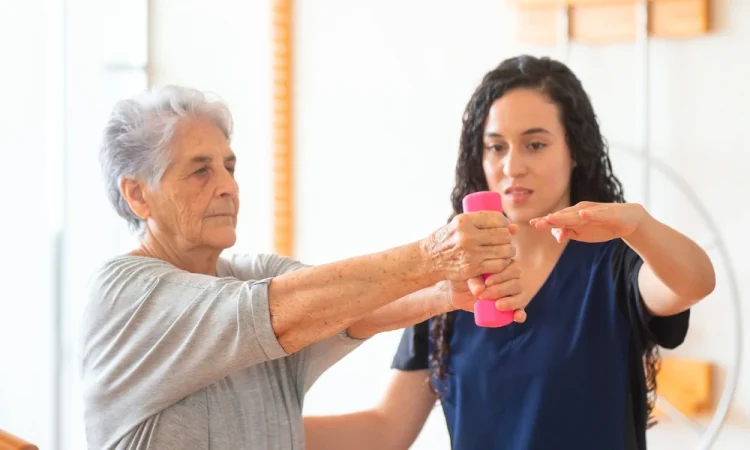
Growing older can make everyday activities more difficult. Simple tasks may require extra effort as physical abilities change over time. The right support can help older adults manage daily routines with greater confidence. The home occupational therapy provides practical guidance that helps individuals complete regular activities within familiar surroundings. It focuses on personal abilities and useful adjustments that make everyday responsibilities easier. With suitable guidance and small changes around the house, seniors can continue managing their routines while keeping greater control over their daily lives.
How Can Daily Tasks Become Easier?
Simple adjustments can reduce difficulties during regular activities. Suitable tools help older adults complete household responsibilities without depending heavily on others.
Which Home Changes Can Improve Safety?
Small adjustments can make household spaces easier to use.
Add suitable support rails where necessary.
Improve lighting in frequently used rooms.
Remove loose rugs from walking areas.
Choose stable chairs with suitable height.
Keep essential belongings in accessible places.
What Supports Better Movement Indoors?
Clear walking areas allow seniors to move between rooms more easily. Removing obstacles can also reduce the chance of accidental falls.
How Can Personal Care Improve?
Helpful bathroom arrangements make washing and dressing simpler. Properly placed items allow individuals to manage personal routines with greater confidence.
Why Should Household Activities Remain Accessible?
Everyday responsibilities provide a sense of purpose. Making cupboards and shelves easier to reach helps seniors continue familiar household tasks.
How Can Personal Goals Guide Progress?
Individual plans should reflect personal needs and abilities.
Identify difficult daily activities.
Discuss preferred household routines.
Review progress regularly.
Adjust arrangements when necessary.
Include family members in planning.
Why Is Regular Progress Assessment Important?
Reviewing everyday challenges helps families recognise changing needs and identify useful adjustments.
Notice changes in daily performance.
Discuss concerns with qualified professionals.
Update household arrangements.
Recognise newly developed abilities.
Maintain suitable support.
Can Furniture Arrangements Make A Difference?
Thoughtful room layouts support safer movement. Suitable seating positions also make sitting and standing less difficult for older individuals.
How Does Routine Planning Help Seniors?
Organised daily schedules make responsibilities easier to manage. Regular activity patterns can support confidence while reducing unnecessary physical effort.
What Role Do Helpful Tools Play?
Simple equipment can make ordinary tasks more manageable. Choosing suitable items allows seniors to complete activities with less assistance.
How Can Kitchen Tasks Become Simpler?
An organised working area helps seniors manage basic household responsibilities.
Store commonly used items nearby.
Choose lightweight household equipment.
Keep frequently needed supplies together.
Avoid reaching towards high shelves.
Maintain clear working surfaces.
What Encourages Confidence During Daily Activities?
Positive guidance helps older adults trust their abilities.
Set realistic personal goals.
Celebrate small improvements.
Encourage regular participation.
Allow independent decision-making.
Provide assistance when genuinely needed.
What Creates Long-Term Independence?
Consistent encouragement and practical home adjustments help seniors maintain meaningful routines. Families can build supportive surroundings that respect personal choices and encourage greater involvement in everyday responsibilities.
How Can Families Support Daily Independence?
Family members can encourage older adults without taking control of every responsibility. The home occupational therapy can also guide relatives towards practical ways of providing suitable assistance.
Keep frequently used belongings within easy reach.
Allow enough time for everyday activities.
Maintain clear pathways throughout the house.
Encourage seniors to complete manageable tasks.
Respect individual choices during daily routines.
Maintaining independence requires thoughtful planning rather than unnecessary assistance. Families should recognise individual abilities and address everyday difficulties through practical changes. Professional guidance can identify suitable adjustments while helping older adults retain control over personal routines. By combining accessible surroundings with patient encouragement, seniors can continue participating in meaningful activities. A supportive home environment offers a practical way to protect dignity and promote greater self-reliance as daily needs change.