

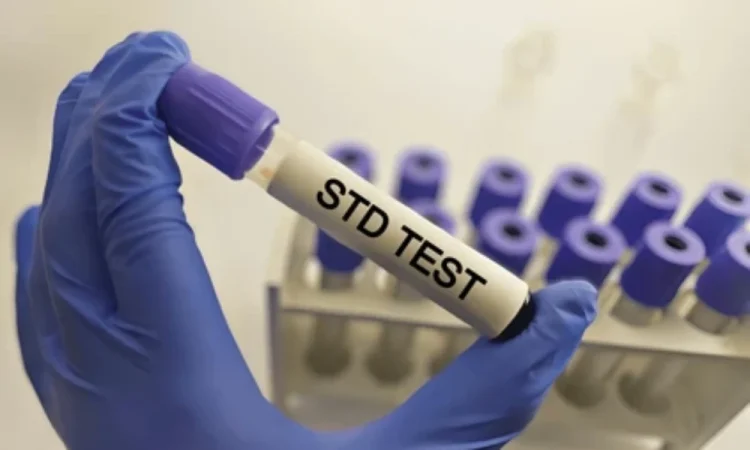
A sexually transmitted infection (STI) does not always cause symptoms. Some people notice pain or unusual changes, while others feel completely well. If you have had sex without a condom, have a new partner, or learn that a partner has an infection, it may be worth speaking to a healthcare professional about testing. STD testing in Singapore can help you understand your sexual health and decide what to do next.
When Should You Consider a Test?
There are several reasons to consider an STI test. You may have had sex without a condom, noticed an unusual symptom, or found out that a partner has tested positive for an infection.
Sometimes, there are no symptoms to explain your concern. You may simply be unsure about a recent sexual encounter. In that situation, a healthcare professional can help you decide whether testing is needed.
Pain when passing urine, unusual discharge, sores, and itching are some signs that deserve medical attention. These symptoms can have other causes, so a test or examination may be needed to find out what is happening.
Can You Have an STI Without Symptoms?
Yes. Some STIs do not cause noticeable symptoms. A person may have an infection without knowing it.
This is one reason symptoms alone cannot tell you whether you have an STI. If you think you may have been exposed, ask about testing even if you feel healthy.
The STD testing in Singapore can also help identify an infection before you pass it to another person. The right test depends on your circumstances, so it is best to discuss your concerns with a healthcare professional.
What Tests Might You Need?
Different STIs require different tests. A healthcare professional may recommend a urine sample, a blood test, or a swab, depending on the possible infection and the type of contact involved.
- Urine tests can detect certain infections, including some cases of chlamydia and gonorrhoea.
- Blood tests can help detect infections such as HIV and syphilis.
- Swab tests collect samples from specific areas where an infection may be present.
One test does not check for every STI. For example, a urine test may not detect an infection at another body site. Explain your concerns during the appointment so the healthcare professional can choose suitable tests.
You can also ask which infections will be checked, when you will receive your results, and whether follow up testing may be needed.
What Happens After the Test?
Your next steps depend on the result and the infection being checked.
A positive result means the test detected the infection. Your healthcare professional can explain the treatment or care you need. Many STIs can be treated, while others can be managed with ongoing medical care.
A negative result means the test did not detect the infection being checked. However, the result may not be conclusive if you tested too early. You may need another test after the recommended window period.
If symptoms continue or new ones appear, seek medical advice even if your result was negative. The original test may not have covered every possible cause.
Common Questions About STI Testing
Should I get tested if I feel healthy?
You may still need a test if you have had a possible exposure or your partner has an STI. Some infections cause no noticeable symptoms.
Can I take an STI test immediately after sex?
You can seek medical advice immediately, but some infections take time to become detectable. A healthcare professional can tell you when to test and whether you need another test later.
What should I do if my partner has an STI?
Contact a healthcare professional and explain which infection your partner has, if you know. They can advise you about testing, treatment, and steps to reduce the risk of transmission.
Does a negative result mean I have no STI?
Not always. It depends on which infections were tested for and how long it had been since the possible exposure. Ask whether further testing is recommended.
Making an Informed Decision
It can be difficult to know whether a sexual encounter carries a risk of infection. Guessing from symptoms or relying on how you feel may not give you a clear answer.
If you are concerned, explain the situation to a healthcare professional and ask which tests are appropriate. Knowing when to test and how to understand the result can help you make informed decisions about your health.