

Key Takeaways
- An itchy scalp can come from dryness, excess oil, infection, or inflammation, and each requires a different treatment.
- Singapore’s humidity and air-conditioning cycles frequently disrupt scalp balance and trigger fungal or irritant conditions.
- Using the wrong shampoo can worsen symptoms and delay recovery instead of relieving itch.
Introduction
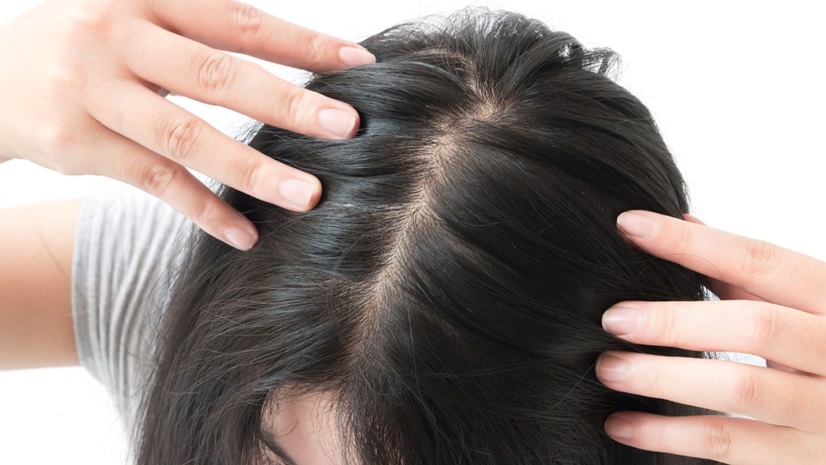
An itchy scalp rarely starts without a reason. Some people notice flakes on dark clothing, while others feel tightness, burning, or an urge to scratch that worsens at night. Many treat these symptoms as dandruff and switch shampoos repeatedly. This approach often fails because dry scalp, oily dandruff, and inflammatory scalp conditions behave differently and respond to different treatments. In Singapore, daily exposure to heat, sweat, and air-conditioning places extra stress on the scalp’s protective barrier. Effective itchy scalp treatment in Singapore begins with identifying what is happening on the skin rather than guessing based on flakes alone.
1. Seborrheic Dermatitis (Oily Dandruff)
Seborrheic dermatitis develops when yeast that naturally lives on the scalp grows excessively in oily conditions. The scalp becomes greasy, itchy, and inflamed, with yellowish or clumped flakes. This condition worsens in humid environments and during periods of stress or fatigue.
Treatment:
Antifungal shampoos containing ketoconazole or zinc pyrithione reduce yeast levels and calm inflammation. Regular use controls symptoms by limiting oil buildup and microbial growth.
2. Contact Dermatitis from Hair Products
Scalp irritation often begins after introducing a new shampoo, hair dye, or styling product. Fragrance, preservatives, and harsh surfactants can irritate the skin and cause redness, itching, or burning.
Treatment:
Stopping the offending product allows the skin to recover. Gentle, fragrance-free cleansers reduce further irritation. Short courses of prescribed anti-inflammatory scalp lotions may be needed during severe flares.
3. Scalp Psoriasis
Psoriasis causes thick, well-defined patches with silvery scales that extend beyond the hairline in some cases. The itch can feel deep and persistent. Scratching leads to bleeding and further inflammation.
Treatment:
Medicated shampoos containing coal tar or salicylic acid soften scale and reduce inflammation. Dermatologist-directed treatments such as phototherapy or prescription topical medications help control ongoing symptoms.
4. Folliculitis (Infected Hair Follicles)
Folliculitis presents as clusters of small, itchy bumps or pustules on the scalp. Bacteria or fungi infect hair follicles, often after sweating, friction, or occlusion from heavy products.
Treatment:
Antimicrobial washes reduce surface bacteria. Persistent or widespread cases require prescription oral or topical medication to clear the infection and prevent scarring.
5. Dry Scalp from Barrier Damage
Dry scalp occurs when the skin lacks sufficient oil and moisture. Flakes appear fine, white, and powdery rather than greasy. Tightness and itching worsen after washing or prolonged air-conditioning exposure.
Treatment:
Hydrating scalp treatments restore moisture and lipids. Mild cleansers prevent further barrier damage. A targeted treatment for dry scalp focuses on replenishing oils rather than stripping them away.
6. Heat and Sweat Rash (Miliaria)
Sweat trapped beneath the skin blocks ducts and triggers prickly itching, especially in hot weather or after exercise. The scalp may feel sore rather than flaky.
Treatment:
Cooling the scalp, washing promptly after sweating, and improving airflow reduce recurrence. Lightweight formulations with cooling ingredients soothe irritation without clogging pores.
7. Tinea Capitis (Scalp Ringworm)
This fungal infection causes scaly patches, itching, and sometimes hair breakage. Although more common in children, adults can develop it through close contact or shared items.
Treatment:
Oral antifungal medication is required to clear the infection. Medicated shampoos help reduce surface spread but do not replace systemic treatment.
8. Stress-Related Scalp Itch
Stress can increase nerve sensitivity and trigger itch even without a visible rash. Scratching worsens irritation and creates a cycle of discomfort.
Treatment:
Addressing stress reduces flare frequency. Calming scalp formulations support skin comfort while the underlying trigger resolves.
Conclusion
Itchy scalp symptoms persist when treatment targets the wrong cause. Dryness, oil imbalance, infection, and inflammation each require a different approach. Accurate identification prevents unnecessary product switching and repeated irritation. Whether the scalp needs hydration, antifungal care, or medical treatment, a focused itchy scalp treatment in Singapore restores comfort by addressing the root issue rather than masking symptoms.
Contact Bee Choo Origin to receive a personalised itchy scalp treatment suited to Singapore’s climate and your specific scalp condition.