
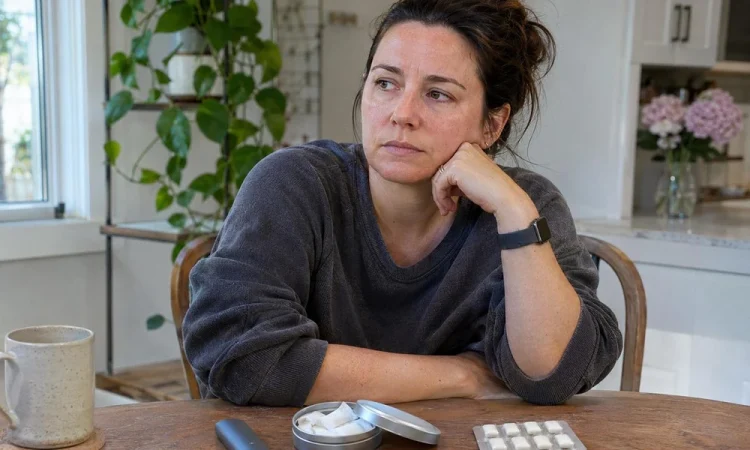
Nicotine narrows blood vessels and reduces oxygen to healing tissue, whether it comes from cigarettes, vapes, pouches, gum, or patches. In plastic surgery, where skin is lifted and moved, that can lead to wound breakdown, tissue loss, infection, and wider scars. Most surgeons ask patients to stop all nicotine at least four weeks before surgery and to stay nicotine-free until healing is complete. Many practices test for it.
You may have switched from cigarettes to a vape years ago or keep a tin of nicotine pouches in your bag and barely think about it. So when your surgeon asks whether you smoke, it’s easy to say no. But when it comes to healing after surgery, nicotine is the problem, not just the smoke.
Vaping before surgery is one of the most misunderstood risks in plastic surgery. Many patients assume that vapes or pouches are a safe swap, only to learn that nicotine itself interferes with the blood flow incisions need to heal. This guide explains why, which products count, and how to build a nicotine-free plan around your procedure. It reflects the approach of board-certified plastic surgeon Dr. Siamak Agha at The One Plastic Surgery Center in Newport Beach.
Why Nicotine Is Especially Risky in Plastic Surgery
Nicotine constricts small blood vessels, which reduces the oxygen and nutrients reaching healing tissue. Plastic surgery often involves lifting and repositioning skin, which already relies on a smaller-than-normal blood supply. Adding nicotine can push that tissue past what it can tolerate.
The American Society of Plastic Surgeons explains it with a layer cake analogy: when a surgeon lifts skin away from the tissue beneath it, the small vessels that feed that skin are reduced. Less blood flow means less oxygen, and too little oxygen can cause tissue to die. That’s why a smoker who healed well from an appendectomy may still face real risks after a facelift or tummy tuck.
Complications Linked to Nicotine
ASPS lists several problems that nicotine can cause after plastic surgery:
- Loss of skin after a facelift, tummy tuck, breast lift, or breast reduction, and in some cases loss of nipple tissue
- Infections
- Fat necrosis, the death of fat cells that leaves hard lumps
- Delayed wound healing and wounds that reopen
- Thick, wide scars
These complications can mean additional procedures, longer recovery, and a final result that doesn’t look the way you hoped.
Procedures Most Affected
The risk is highest for procedures with large skin flaps or long incisions, such as a facelift, breast reduction, breast lift, tummy tuck, and body lifts after weight loss. Many surgeons won’t perform these operations on active nicotine users because the chance of a serious wound problem is too high.
For a healing incision, nicotine is the problem, not just the smoke.
Is Vaping Before Surgery Safer Than Smoking?
Vaping removes some of the chemicals in cigarette smoke, but most vapes still deliver nicotine, which is the main driver of poor wound healing. Research on vaping and surgery is still limited, but early evidence suggests e-cigarettes may harm healing in similar ways. Plastic surgeons treat vaping the same as smoking.
A special topic paper in Plastic and Reconstructive Surgery, the ASPS journal, reviewed the evidence and advised plastic surgery patients to stop using e-cigarettes before surgery. The authors recommended refraining for four weeks beforehand, even though research hasn’t fully defined how vaping compares with smoking.
Animal research points the same way. Studies published in JAMA Facial Plastic Surgery, as Dermatology Times reported, suggested that vaping and smoking were similarly harmful to skin flap healing in rats. A Johns Hopkins facial plastic surgeon noted that human studies are still scarce.
Nicotine Pouches, Gum, and Patches Count Too
Any product that delivers nicotine can affect healing, including nicotine pouches, gum, lozenges, and patches. Even nicotine replacement products, which are helpful for quitting, still put nicotine in your bloodstream. Most surgeons ask that these be finished before your nicotine-free window begins.
That surprises many patients. Nicotine replacement therapy is a valuable tool for quitting cigarettes, but it doesn’t remove nicotine’s effect on blood vessels. If you’re using patches or gum to quit, start early enough to taper off completely before the period your surgeon asks you to be nicotine-free.
You should also discuss cannabis smoking or vaping openly with your surgeon. Inhaled smoke of any kind can affect your lungs during anesthesia, and some products contain nicotine or other additives.
How Long Should You Stop Nicotine Before Surgery?
Most plastic surgeons ask patients to stop all nicotine at least four weeks before surgery and to remain nicotine-free for at least four weeks afterward, or until healing is complete. Some recommend longer, especially for procedures with large skin flaps. Your surgeon will give you a specific timeline.
The four-week guideline has research behind it. The PRS authors cited a study of 102 general surgery patients in which stopping smoking three to four weeks before surgery cut postoperative complications almost in half, from 41 percent to 21 percent, as The Aesthetic Guide summarized. Shorter quit periods were less clearly helpful in other research.
The weeks after surgery matter just as much. New collagen and blood vessels form during the first several weeks of healing, so returning to nicotine too soon can still cause wound problems even if you quit before surgery.
Will Your Surgeon Test for Nicotine?
Many plastic surgery practices use a simple urine or blood test that detects cotinine, a substance the body makes when it breaks down nicotine. Testing helps confirm that it’s safe to proceed and protects you from a complication you can’t take back. A positive test before surgery usually means rescheduling.
Testing isn’t about catching anyone out. Patients sometimes underestimate how much nicotine they use, forget about an occasional pouch, or don’t realize that secondhand vapor or a nicotine lozenge counts. A test gives you and your surgeon the same information. Being honest from your first consultation makes it much easier to plan a safe surgery date.
A Practical Plan to Go Nicotine-Free Before Surgery
The most successful quit plans start early, well before your surgery date. Set a quit date at least six to eight weeks ahead, talk with your primary care doctor about support, and plan to stay nicotine-free through your full recovery, not just the weeks before surgery.
Steps that help many patients:
- Tell your surgeon early. Share every nicotine product you use, how often, and when you plan to stop.
- Pick a quit date with a cushion. Give yourself extra weeks in case the first attempt doesn’t stick.
- Use support, then taper. Your doctor can discuss medications or nicotine replacement, timed so you finish before your nicotine-free window.
- Call a quitline. In the U.S., 1-800-QUIT-NOW connects you with free coaching.
- Change your routines. Identify the moments you usually vape or smoke, such as coffee, driving, or stress, and plan a substitute.
- Plan for recovery. Downtime after surgery can be boring and stressful, which are common triggers. Line up distractions and support.
If you relapse before surgery, tell your surgeon. Postponing a date is far better than risking a wound complication.
Quitting Nicotine Helps More Than Your Surgery
Going nicotine-free for surgery can lead to even bigger benefits. Many patients use their procedure as motivation to quit for good, which benefits their skin, heart, lungs, and the longevity of their results. Smoking also breaks down collagen and elastin, which speeds visible aging.
That matters especially for patients investing in facial rejuvenation or body contouring. A facelift, breast lift, or mommy makeover results last longer when the skin isn’t exposed to ongoing nicotine damage. Some patients also ask about additional ways to support healing, such as hyperbaric oxygen therapy for plastic surgery recovery, but no add-on can offset the effects of active nicotine use.
Postponing a surgery date is always better than risking a wound that won’t heal.
The Bottom Line on Nicotine and Vaping Before Surgery
Vaping before surgery isn’t a safe alternative to smoking. Nicotine from any source, including vapes, pouches, gum, and patches, reduces blood flow to healing tissue and raises the risk of serious complications after plastic surgery. Plan to be completely nicotine-free for at least several weeks before and after your procedure, be honest with your surgeon, and give yourself the best chance at a smooth recovery.
Ready to find out if plastic surgery is right for you? Schedule a consultation with board-certified plastic surgeon Dr. Siamak Agha at The One Plastic Surgery Center in Newport Beach to discuss your goals and options.
Frequently Asked Questions
Is vaping before surgery as bad as smoking?
Most vapes contain nicotine, which constricts blood vessels and impairs healing just as it does with cigarettes. Research on vaping is still limited, but plastic surgeons treat it the same as smoking and ask patients to stop before surgery.
How long before surgery should I stop vaping or smoking?
Most plastic surgeons ask patients to stop all nicotine at least four weeks before surgery, and some recommend longer. Your surgeon will give you a specific timeline based on your procedure.
Can I use nicotine patches or gum before surgery?
Nicotine patches, gum, lozenges, and pouches still deliver nicotine, which affects healing. Most surgeons ask that you finish using them before your nicotine-free period begins.
When can I vape or smoke again after plastic surgery?
Most surgeons recommend staying nicotine-free for at least four weeks after surgery, or until healing is complete. Ideally, use your procedure as an opportunity to quit for good.
Will my surgeon test me for nicotine?
Many practices use a urine or blood test for cotinine, a byproduct of nicotine. A positive test before surgery usually means rescheduling to protect your safety and results.
Medical disclaimer: This article is for educational purposes only and is not medical advice. Results and candidacy vary by patient, and a consultation with a qualified plastic surgeon is required to determine individual suitability for surgery. Talk with your doctor about the safest way for you to quit nicotine.